If you have ever wondered why two homes in Jay can look similar online but carry very different price tags, you are asking the right question. In this part of the Adirondacks, home value is rarely about square footage alone. It often comes down to the land, the setting, the rules that shape future use, and how easy the property is to own year-round. Let’s dive in.
Jay Is a Parcel-Specific Market
Jay is a small, low-density town in Essex County with about 2,354 residents, 973 households, and 1,567 housing units spread across 67.7 square miles. Census Reporter places the median value of owner-occupied housing units at $196,900, which is below both Essex County and New York State. That gap tells you something important right away: Jay is not a one-price market.
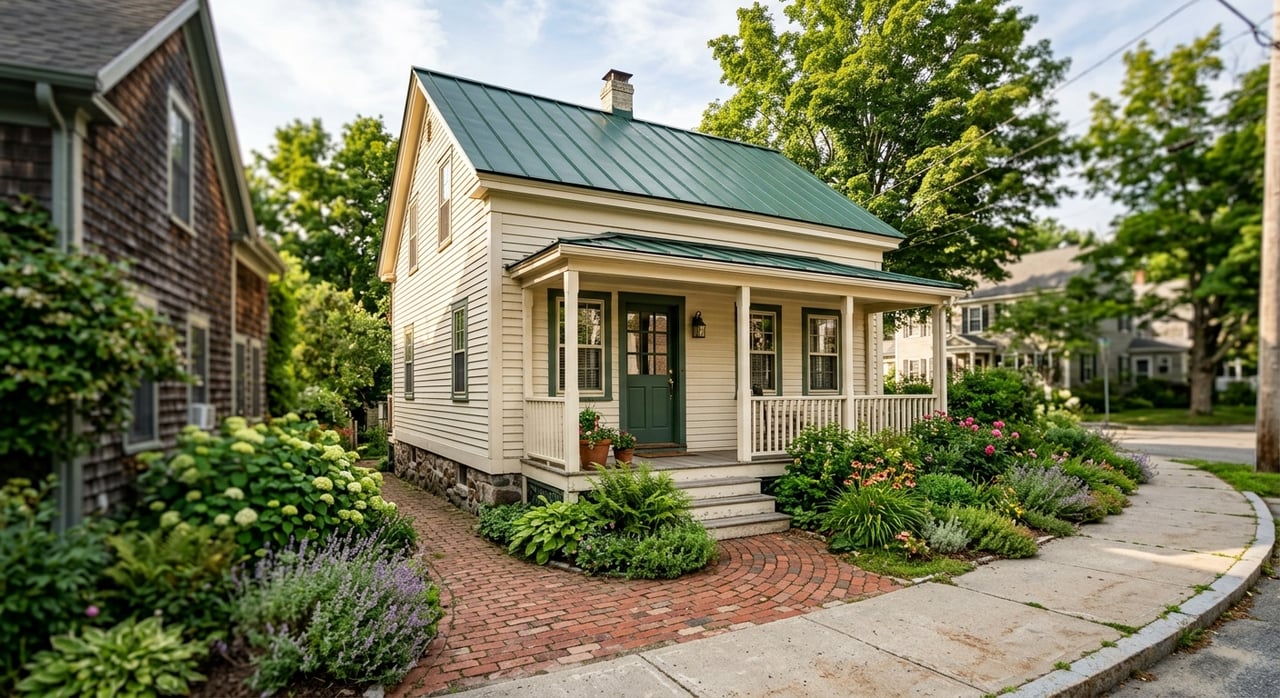
In practical terms, value can shift a lot from one property to the next. The Town of Jay includes Au Sable Forks, Jay, Upper Jay, and the Ausable Acres subdivision, along with more rural parcels outside those settled areas. A home in a hamlet, a property in a subdivision, and a larger outlying parcel may attract very different buyers and very different pricing.
Location Within Jay Matters
Hamlet Homes and Rural Parcels Differ
One of the biggest drivers of value in Jay is where the property sits within the town. The Adirondack Park Agency divides private land into classifications such as Hamlet, Moderate Intensity Use, Low Intensity Use, Rural Use, Resource Management, and Industrial Use.
That matters because these categories shape what a parcel can legally support. Hamlet areas function as growth and service centers, while more rural classifications come with lower-intensity development standards and, in some cases, more permitting complexity. For buyers and sellers, that can affect both current appeal and future flexibility.
Development Potential Affects Price
In Jay, the market often prices more than the house itself. It also prices the parcel’s buildability, expansion potential, and the effort it may take to get approvals for future work.
APA guidance shows that permits can be triggered by things like smaller-than-minimum lots, some subdivisions in Resource Management areas, certain construction near highways, and new development within river corridors on Low Intensity Use, Rural Use, or Resource Management lands. That is a major reason two homes with similar layouts can land at very different price points.
River Proximity Can Help and Hurt
The Au Sable River Adds Lifestyle Appeal
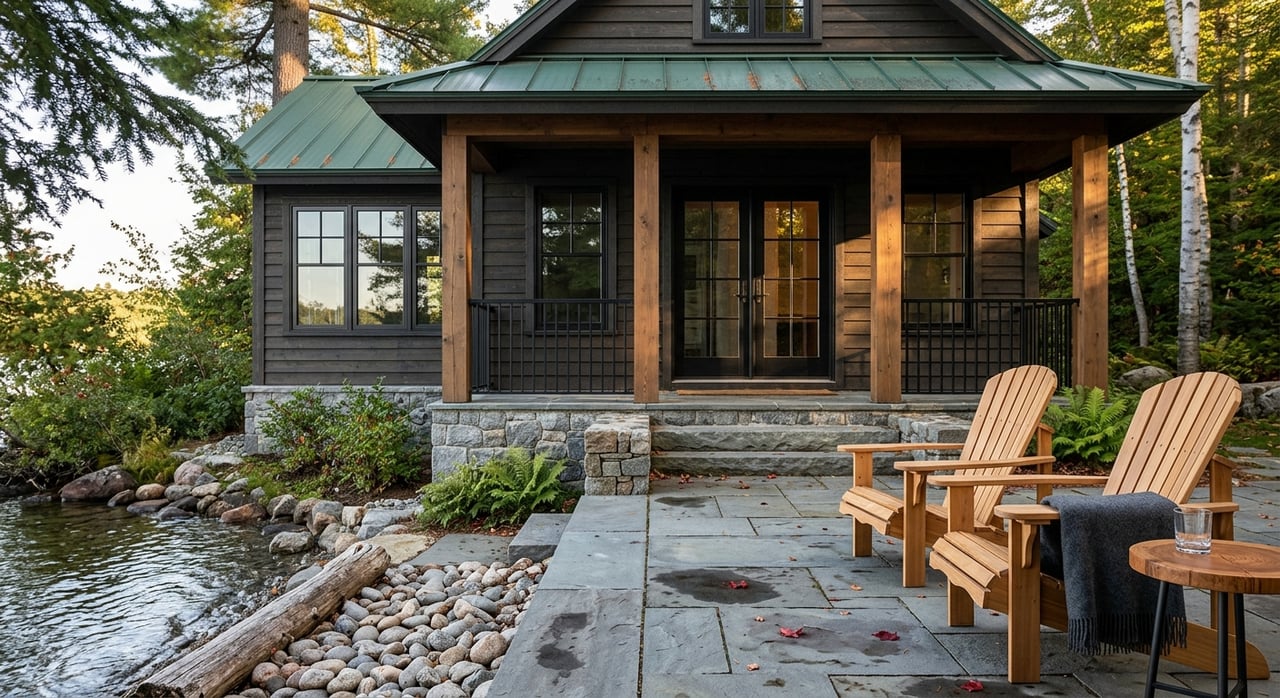
The Au Sable River is one of Jay’s defining natural features, and that setting can absolutely support value. For many buyers, river access, water views, and the overall outdoor feel of the area are part of the draw.
But not every river-adjacent property carries the same upside. The East Branch of the Ausable is a designated recreational river segment, and river corridors in the Adirondack Park typically extend about one-quarter mile from a designated river. That means new land use and development near the river can require extra review.
Setbacks and Flood Risk Matter Too
Shoreline setbacks vary by land-use class, from 50 feet in Hamlet and Moderate Intensity Use areas to 75 feet in Low Intensity Use and Rural Use, and 100 feet in Resource Management. Those rules can affect what you can build, where you can place improvements, and how a parcel functions over time.
There is also a risk side to river proximity. The Town of Jay reported a storm event where the Au Sable River crested at almost 9 feet, closing roads and causing culvert failure and washouts, including damage near Au Sable Acres. So while water can add appeal, flood exposure and infrastructure vulnerability can reduce value or increase ownership costs.
Acreage Is Not the Same as Usable Land
Bigger Is Not Always Better
Acreage often catches attention in Jay, especially for buyers looking for privacy, recreation, or a second-home setting. But raw acreage alone does not tell you enough.
APA guidance shows broad differences in development intensity by land class, with lot-size guidelines of 1.3 acres for Moderate Intensity Use, 3.2 acres for Low Intensity Use, 8.5 acres for Rural Use, and 42.7 acres for Resource Management. In other words, two parcels with the same total acreage may offer very different real-world options.
Constraints Can Change Value Fast
Usable land is what tends to matter most. A parcel with easier access, better soils, and fewer environmental constraints may be worth more than a larger parcel that is steep, wet, or harder to improve.
Wetlands are an important part of that equation in Jay. APA says certain wetland activities need permits, leaching facilities must be set back at least 100 feet from wetlands, and subdivision lot lines often need to be at least 200 feet away. Those factors can shape where you build, how you expand, and what a future buyer sees as practical.
Condition Carries Extra Weight in Jay
Turnkey Homes Often Stand Out
Condition matters everywhere, but it carries extra weight in a rural market where repairs can be more complicated and site work can get expensive quickly. Buyers are not just comparing finishes. They are often comparing the likely cost and hassle of deferred maintenance.
A recent county housing study included two Jay new-construction examples that help show the range. One was a 640-square-foot one-bedroom home on 0.9 acres listed at $349,000. Another was a 1,288-square-foot three-bedroom home on 1.1 acres listed at $515,000. These are listings, not closed sales, but they still show how newness, size, and finish level can move price.
Site and Infrastructure Issues Matter
In Jay, condition also includes how well the property is sited and how resilient it is. Road closures, washouts, culvert issues, and river-related restoration work all point to a simple truth: a home that is already updated, easier to maintain, and less exposed to site problems is often easier to finance and easier to resell.
This is where practical property knowledge matters. A polished kitchen is helpful, but so are drainage, access, utility reliability, and a site plan that works with the land instead of against it.
Style Shapes the Buyer Pool
Detached Homes Dominate the Market
Jay sits in a market where detached housing leads the way. Essex County housing stock is mostly single-family detached, and the Whiteface Region that includes Jay and Wilmington has no single-family attached housing in the housing study and very little small multifamily stock.
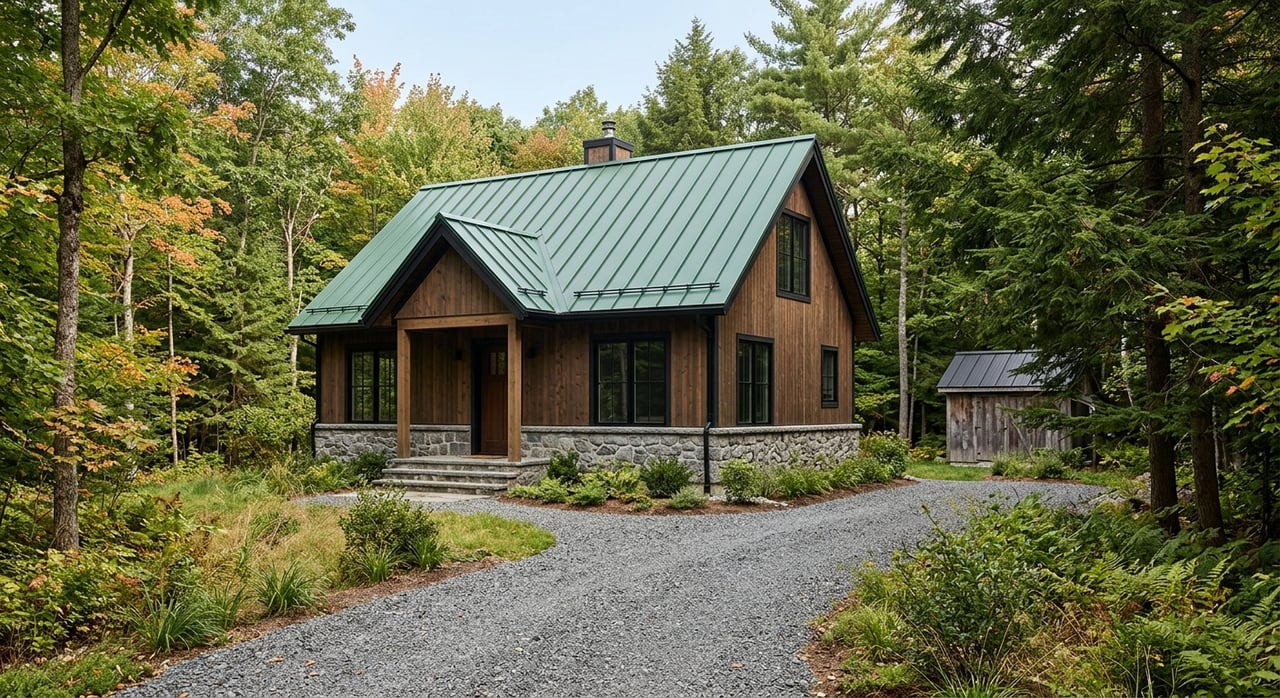
That means buyers in Jay are often comparing camps, cottages, year-round homes, and larger detached properties rather than a broad mix of housing types. Style matters because it helps determine which buyers see the property as a fit.
Lifestyle Fit Influences Demand
ROOST’s county housing analysis says second-home demand is meaningful in Essex County, and that demand is present in the Whiteface Region. That helps explain why scenic, turnkey, and low-maintenance homes can attract strong interest.
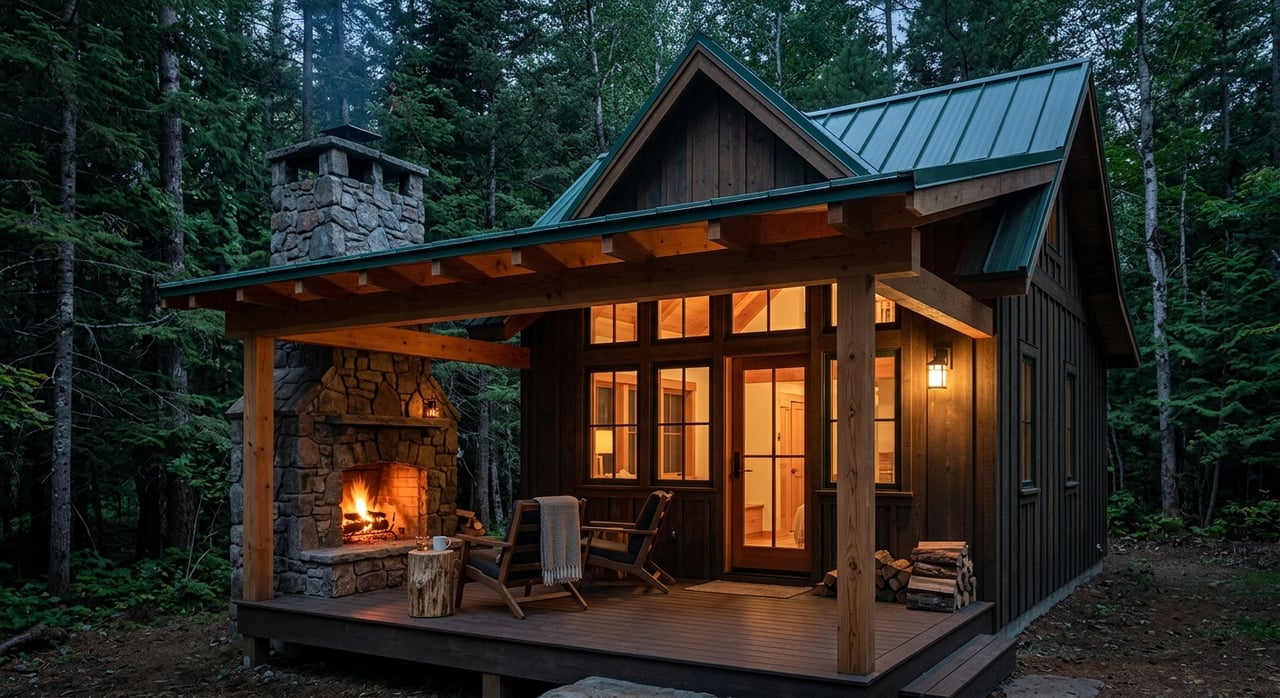
For some buyers, a compact and well-finished cabin near recreation feels more valuable than a larger home that needs work. For others, a multi-acre property with flexibility and privacy may win out. In Jay, style is not just visual. It is tied to how the property fits a buyer’s version of Adirondack living.
Why Similar Homes Can Price Differently
The House Is Only Part of the Story
It is easy to assume that two three-bedroom homes in the same town should be worth about the same. In Jay, that shortcut usually misses the real drivers.
The underlying parcels may differ in land-use classification, river or wetland proximity, usable acreage, access, utility reliability, and overall condition. APA rules on river corridors, shoreline setbacks, wetlands, and subdivision review make those differences especially important here.
Buyers Price a Full Package
A hamlet home with easier road access and fewer development constraints may command a very different price than a river-adjacent camp on a larger but more limited parcel. That does not mean one property is always better. It means the market is pricing a package of location, legal use, risk, and day-to-day utility.
That is the key idea to keep in mind whether you are buying or selling in Jay. The biggest value drivers are often hiding below the surface of the listing photos.
What Sellers and Buyers Should Watch
If You Are Selling
Focus on the features that make your property easier to understand and easier to own. In Jay, buyers often respond to clarity around:
- Parcel usability
- Access and road conditions
- River, wetland, or setback considerations
- Recent updates and maintenance
- Whether the home feels turnkey
If your property has strong land characteristics, a compelling setting, or thoughtful improvements, those details deserve to be presented clearly. In a parcel-specific market, strong marketing starts with strong explanation.
If You Are Buying
Look past the bedroom count and lot size headline. Ask how the parcel works, what restrictions may apply, and what ownership could feel like in all four seasons.
A smart buying decision in Jay usually comes from understanding the land as much as the house. That includes access, flood considerations, buildable area, maintenance needs, and how the property fits your plans.
If you want help understanding what really drives value in Jay, from parcel constraints to property condition to lifestyle fit, Justin Mcgiver can help you evaluate the details that matter most.
FAQs
What drives home values most in Jay, NY?
- In Jay, home values are often driven by parcel location, Adirondack Park land-use classification, river or wetland constraints, usable acreage, property condition, and how well the home fits likely buyer demand.
Does waterfront always increase home value in Jay, NY?
- Not always. River proximity can add appeal, but value also depends on flood exposure, shoreline setbacks, access, and what can legally be built or improved near the water.
Is more acreage always better for a home in Jay, NY?
- No. Larger parcels can offer privacy and recreation, but smaller parcels with better access, buildable area, and fewer wetlands or siting issues may be worth more.
Why can two similar homes have different prices in Jay, NY?
- Two homes may look alike, but the parcels underneath them can differ in land-use rules, river corridor limits, wetlands, access, utility reliability, and overall condition, all of which can affect market value.
Are second-home buyers part of the Jay, NY market?
- Yes. Regional housing analysis shows meaningful second-home demand in Essex County and in the Whiteface Region, which includes Jay, helping support demand for scenic and turnkey detached homes.