If you are drawn to Essex, chances are you are picturing two very different versions of life on the same stretch of Lake Champlain. One is a private shoreline setting with open water, wind, and room to spread out. The other is a historic village experience where you can be close to Main Street, ferry access, and one of the most intact old streetscapes in the region. If you are trying to decide between the two, this guide will help you compare what daily life, property conditions, and due diligence can really look like in Essex. Let’s dive in.
Essex gives you two distinct lifestyles
Essex is unusual because its village core and lakefront are not far-flung opposites. According to Visit Essex, the Essex Village Historic District stretches about 1.5 miles long and 0.3 miles wide, and its eastern boundary is Lake Champlain itself. In other words, village living and waterfront living can sit very close together.
That close relationship is part of Essex’s appeal. You are not choosing between being near the water or near the center of town in a broad sense. You are choosing which day-to-day experience matters more to you: private shoreline access and open views, or easier access to the village’s historic and civic core.
Waterfront living in Essex
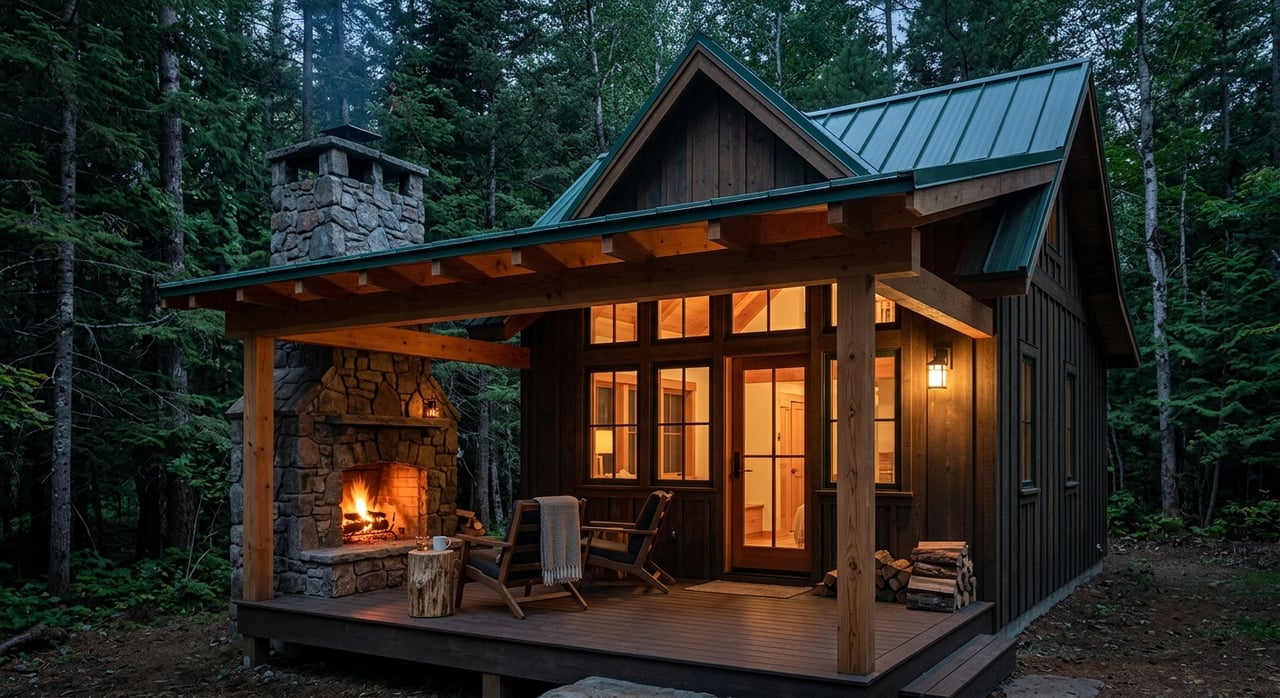
Waterfront living in Essex tends to appeal to buyers who want a direct connection to Lake Champlain. The town describes much of the shoreline as privately owned residential property on fairly good-sized lots, with rocky beaches in the north, some sandy areas such as Sandy Point, and open-water exposure that can bring strong winds. The town also notes that even the bay near the ferry is not fully sheltered, based on its Local Waterfront Revitalization Program.
If you imagine mornings by the lake, boating, mooring, or a quieter setting with more separation from the village center, the waterfront may be the stronger fit. The tradeoff is that not every shoreline parcel offers the same type of access, protection, or ease of use. In Essex, those details matter.
Waterfront access is more limited than many buyers expect
One of the biggest differences between waterfront and village living is access. The town plan says the main public access points to the waterfront are the ferry dock, Beggs Park, and marinas, and that much of the shoreline does not have public access. Most shoreline access is by permission on private property, according to the same town waterfront document.
That means you will want to verify exactly what a property includes. If lake access is central to your plan, do not assume all waterfront homes offer the same rights, shoreline conditions, or dock potential. A private lakefront parcel can feel very different from a home near the water without direct rights.
Wind, shoreline, and site conditions matter
Waterfront ownership often comes with more site-specific questions. Essex notes shoreline erosion along portions of the lakefront, and the character of the shore can range from rocky edges to a few sandy spots. Those conditions can shape how you use the property and what future work may be possible.
This is where practical evaluation becomes important. If you are considering a waterfront home, look closely at exposure, shoreline condition, and how the lot relates to the lake. A beautiful view is only one part of the picture.
Waterfront improvements may need extra review
The town’s shoreline overlay regulations require site plan approval for new construction and additions in the waterfront area. The Local Waterfront Revitalization Program also points to waterfront consistency review as an important part of planning in this setting, especially if you are thinking about additions, docks, or exterior changes.
For buyers with renovation plans, this is not necessarily a deal breaker. It simply means you should understand the review path early. If you like to improve and personalize property, Essex waterfront homes can be rewarding, but they often require more upfront diligence.
Ferry access can shape daily mobility
For some buyers, one of Essex’s most appealing features is the Charlotte-Essex ferry crossing. Lake Champlain Ferries says the route runs year-round as weather permits, takes about 25 minutes, and follows seasonal schedules.
If your routine includes Vermont connections, second-home travel patterns, or frequent guests arriving from the east side of the lake, that can be a meaningful lifestyle advantage. Waterfront or near-water properties may make that access feel even more immediate.
Village-core living in Essex
Village-core living offers a different kind of convenience and character. Town and regional sources describe Main Street as a lively summer business area with shops, restaurants, galleries, inns, and ferry access. The local plan describes the hamlet as a compact historic settlement with mixed residential and commercial uses in the town waterfront plan.
If your ideal day includes walking into the center of town, being close to local businesses, and living within a historic streetscape, the village core may feel more natural. In Essex, that experience is defined less by size and speed and more by texture, setting, and continuity.
Historic character is a major part of the appeal
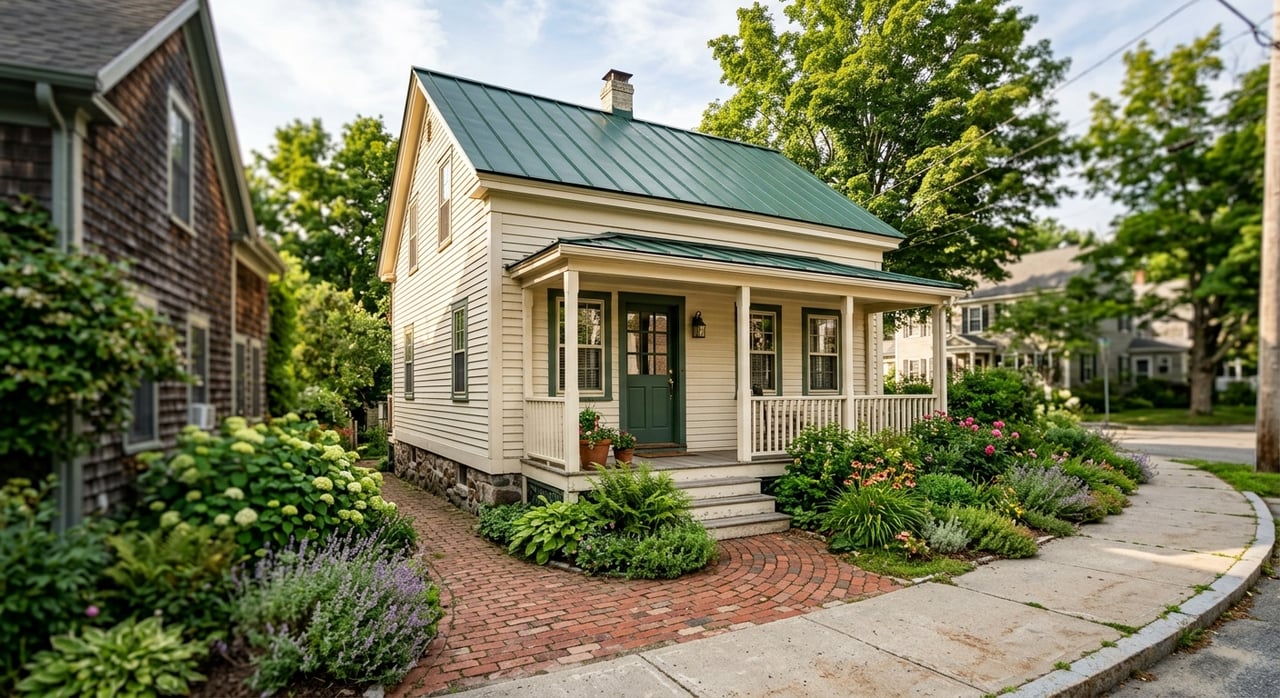
Essex has a strong architectural identity. The architecture guide for Essex highlights Federal, Greek Revival, Carpenter Gothic, Italianate, and French Second Empire styles. The historic district description also emphasizes clapboard, frame, brick, and native stone construction, with no structure taller than 2.5 stories.
For many buyers, that built environment is the draw. You are not just buying a house. You are buying into a place with a consistent scale, long-standing materials, and a visual rhythm that is hard to replicate.
National Register status does not automatically restrict ownership
Some buyers worry that a historic district means they cannot make ordinary changes to a property. That is not how National Register listing works on its own. The National Park Service explains that listing in the National Register does not place federal restrictions on what a non-federal private owner may do unless federal assistance, licensing, or permitting is involved.
That said, local rules can still apply. Essex shows that building permits go through the Code Enforcement Officer, while the Planning Board handles special uses, site plan review, and subdivisions. So if you are buying in the village core, it is wise to separate myth from process and confirm what rules apply to your specific parcel and project.
Village life can support a simpler routine
For buyers who value walkability and convenience, the village core often has the edge. Being close to Main Street amenities, civic functions, and ferry access can make a second home easier to use and a full-time home easier to navigate day to day.
That does not mean village living is better. It means it serves a different priority set. If you would rather step out your door and be connected to the heart of Essex, the village core deserves a serious look.
How to choose the right fit
The most useful way to compare these options is to think in terms of lifestyle first, then property mechanics. Based on the town’s land-use and architecture descriptions, waterfront living is generally the better fit if you prioritize direct lake access, boating or mooring potential, open views, and a more private shoreline setting. Village-core living is generally the better fit if you prioritize walkability, Main Street access, and the strongest historic-streetscape feel.
That is not a formal ranking. It is simply the clearest takeaway from how Essex is organized and how these two settings function in everyday life.
Choose waterfront if you value these features
- Direct connection to Lake Champlain
- More privacy and separation from the village core
- Open-water views
- Boating, mooring, or shoreline use as a top priority
- A property search focused on lot size and site character
Choose village-core if you value these features
- Walkability to Main Street and ferry access
- A compact historic setting
- Strong architectural character and period homes
- Easier access to local shops, restaurants, galleries, and inns
- A home that feels woven into the civic center of Essex
The due diligence checklist matters
No matter which setting you prefer, a smart Essex search should include a few practical checks early in the process. These items are especially important because they can affect future costs, insurance, and renovation plans.
Check FEMA flood maps first
Before you choose a waterfront parcel, review its status on the FEMA Flood Map Service Center. FEMA says flood maps are the authoritative source for understanding flood zones, and areas with a 1 percent annual chance of flooding are considered high risk. FEMA also notes that federally regulated lenders generally require flood insurance for buildings in a Special Flood Hazard Area.
For buyers, that can affect both monthly carrying costs and long-term planning. A lakefront setting may still be the right choice, but you want to understand the full picture before you commit.
Confirm shoreline and dock rights
Especially on or near the water, rights and access should be verified, not assumed. A property description may not tell you everything you need to know about shoreline use, dock potential, or what approvals could be required for changes.
This is one of the most important distinctions between admiring a waterfront home and owning one comfortably. Clear rights and realistic expectations matter.
Verify utilities by parcel
Utility setup should also be checked property by property. Essex currently lists water and sewer payments, Water/Wastewater staff, and a water-treatment upgrade project through the Town of Essex website, which suggests service arrangements should be confirmed rather than assumed.
That matters in both the village core and on the waterfront. Service configuration can affect maintenance, renovation planning, and your everyday ownership experience.
Review the permit path for exterior work
If you are thinking about additions, exterior upgrades, dock work, or restoration, understand the local review path before closing. Waterfront parcels may require separate shoreline-overlay and waterfront-consistency review. Village properties may have a more straightforward process, but permits and Planning Board review can still come into play depending on the scope of work.
For buyers who care about restoration quality or future improvements, this is where local guidance can save time and avoid surprises.
Essex is less about better and more about better for you
In a place like Essex, the right choice usually comes down to how you want your home to function. If you picture mornings on the shoreline, a stronger sense of privacy, and direct connection to the lake, waterfront living may be worth the extra diligence. If you picture a historic setting, easier walkability, and a home that feels tied into the village itself, the core may be the better match.
The best properties in Essex are often compelling because they offer a strong sense of place. Knowing how you want to live there is what helps you choose well. If you want help comparing waterfront and village options in Essex with an eye toward lifestyle, property condition, and future improvements, Justin Mcgiver can help you sort through the details and find the fit that feels right.
FAQs
What is the difference between waterfront and village-core living in Essex, NY?
- Waterfront living usually emphasizes private shoreline setting, lake access, open views, and boating potential, while village-core living usually emphasizes walkability, Main Street access, and historic character.
Is the Essex Village Historic District directly connected to Lake Champlain?
- Yes. Visit Essex states that the historic district’s eastern boundary is Lake Champlain, which means the village core and shoreline sit close together.
Do waterfront homes in Essex, NY have public shoreline access?
- Not necessarily. The town says much of the shoreline lacks public access, and many access points are on private property or limited to places such as the ferry dock, Beggs Park, and marinas.
Does National Register status restrict changes to a village home in Essex?
- Not by itself at the federal level for a non-federal private owner, according to the National Park Service, though local permitting and review can still apply.
What should buyers check before purchasing an Essex waterfront property?
- Buyers should review FEMA flood-map status, shoreline and dock rights, utility configuration, and the local permit path for additions or exterior work.