Selling a legacy lakefront property in Essex is not like selling an ordinary home. You are bringing a piece of Lake Champlain shoreline to market in a town known for its historic character, scenic waterfront, and strong sense of place. That means buyers will care about the story, the setting, and the practical details all at once. If you want to attract the right buyer and protect value, it helps to understand how timing, preparation, and marketing work together. Let’s dive in.
Why Essex lakefront stands apart
Essex offers a rare mix of waterfront scenery and historic identity. According to the Town of Essex Local Waterfront Revitalization Program, the shoreline runs about nine miles and remains largely unspoiled, helping define the town’s rural lakeside character.
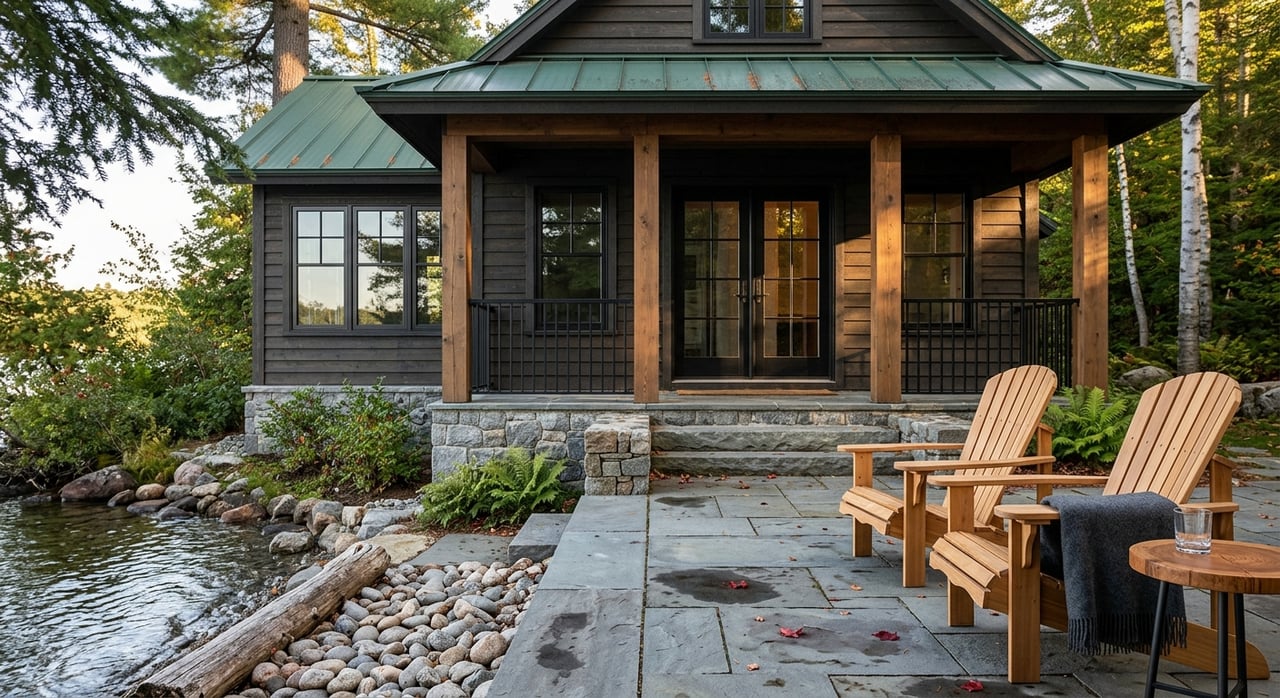
That matters when you market a legacy property. A buyer is not only evaluating the house itself. They are also responding to lake views, shoreline access, seasonal use, and the feeling of owning a home in a place with a well-established waterfront story.
The same town plan also notes Essex’s historic architecture and National Register status in the hamlet. For the right buyer, that context can strengthen the appeal of a home that has been cared for over time, updated thoughtfully, or passed through generations.
Lead with the property story
A legacy lakefront sale needs more than square footage and room counts. It needs a clear narrative that explains what makes the property meaningful and how it lives day to day.
In Essex, that story should usually include three things:
- How the home relates to Lake Champlain
- What the shoreline offers in practical terms
- Why the property fits the area’s scenic and historic setting
This is especially important because buyers often start their search online. In the National Association of Realtors 2025 buyer and seller trends report, 43% of buyers began online and 51% found the home they purchased through an online search. If your listing does not communicate the full experience quickly, many buyers will move on before they ever schedule a showing.
Prepare for waterfront questions early
Waterfront buyers tend to ask detailed, practical questions. In Essex, that is even more important because the local waterfront plan points to shoreline variation, erosion concerns, and a Shoreline Overlay Protection District in highly visible areas.
Buyers may want clarity on:
- Shoreline access and use
- Dock condition and permits
- Retaining walls or erosion-related work
- Easements or shared access arrangements
- Water and wastewater improvements
- Past repairs near the shoreline
Gathering these records before listing can reduce uncertainty and help a buyer move forward with more confidence. It also helps your marketing feel polished and complete from day one, which matters in a market where hesitation can cost momentum.
Fix what builds confidence
Not every pre-sale project deserves your time or money. For a legacy lakefront home, the best repairs are usually the ones that make the property feel easier to understand, easier to maintain, and easier to enjoy.
That often means focusing first on visible exterior and waterfront items. If a dock needs attention, if shoreline access feels neglected, or if exterior maintenance raises questions, those issues can distract buyers from the bigger value of the property.
Recent Zillow research on home features and sale premiums supports this practical approach. The report found premiums associated with features like docks, waterfront homes, and turnkey condition. That suggests sellers should prioritize usability and confidence over expensive updates with less direct impact.
A smart repair list may include:
- Dock repairs or safety improvements
- Exterior paint or stain touch-ups
- Stonework or retaining wall maintenance
- Clear path or stair access to the water
- Simple mechanical or deferred maintenance items
- Cleanup of shoreline-facing outdoor spaces
Stage for character, not sameness
Many legacy homes have details that make them memorable. The goal is not to strip away that identity. The goal is to help buyers see how the home lives today while preserving what makes it special.
That is where selective staging helps. The National Association of Realtors reports that 83% of buyers’ agents said staging makes it easier for buyers to visualize a property as a future home.
For an Essex lakefront property, staging should highlight:
- Sightlines to the water
- Circulation between indoor and outdoor spaces
- Gathering areas for seasonal use
- Craftsmanship, materials, and original features
- Rooms that support a second-home lifestyle
Often, less is more. A clean, well-composed space with a strong visual connection to the lake will usually do more than heavy decorating.
Time the launch with the season
Seasonality matters in Essex. A lakefront home is easiest to understand when buyers can see the shoreline clearly, experience the outdoor spaces, and picture the property in active use.
National timing data points to spring as the strongest selling season. Realtor.com identified April 12 through 18 as the best week to sell in 2026. For a waterfront property, that spring window can be especially useful because photos, showings, and first impressions benefit from better light and more visible outdoor features.
That does not mean every property should wait until mid-April. It does mean your preparation should start early enough that you are not rushing through repairs, staging, or photography. A legacy home deserves a complete launch, not a trial run.
Price with discipline, not nostalgia
Legacy properties often carry deep personal meaning. But pricing still needs to reflect market conditions, not just family history or emotional value.
Current county data suggests a more measured environment. Redfin reports that in March 2026, the Essex County median sale price was $345,000 and homes averaged 111 days on market. Realtor.com reported a February 2026 median listing price of $349,900, 145 days on market, and homes selling about 6.1% below asking on average.
For a distinctive lakefront property, this does not mean pricing low. It means pricing strategically. Unique homes can attract premium interest, but buyers still compare risk, condition, and usability. A well-supported list price, paired with strong presentation, usually performs better than an aspirational number that sits too long and weakens negotiating leverage.
Digital marketing drives discovery
A beautiful property cannot rely on MLS exposure alone. Today’s buyer often makes the first decision from a phone or laptop, long before stepping onto the porch or down to the dock.
NAR’s 2025 report shows that buyers value photos, detailed property information, floor plans, and virtual tours most when searching online. Zillow research also supports high-resolution visuals, virtual tours, and interactive floor plans as tools that can help listings sell faster and for more money.
For an Essex legacy waterfront property, the digital package should do more than look polished. It should answer the questions a remote or second-home buyer is already asking:
- What does the shoreline actually look like?
- How does the home sit on the land?
- Where are the views strongest?
- How do the main living spaces connect?
- What is the dock, access, or waterfront setup?
When those answers are built into the listing presentation, buyers can engage more seriously before they ever request a tour.
Why agent-led marketing matters
High-value, one-of-a-kind homes need more than exposure. They need interpretation, positioning, and consistent follow-through.
According to NAR, 88% of buyers purchased through a real estate agent or broker. The same report found that sellers most want an agent who can market the home, price it competitively, and help them sell within a specific timeframe. Reputation and trustworthiness also ranked among the top reasons sellers choose an agent.
That fits legacy waterfront sales well. Buyers may be comparing your property against other destination homes, evaluating condition from afar, and trying to understand how the site works. An agent with construction awareness, strong visual marketing, and broad distribution can help bridge that gap clearly and credibly.
A smart marketing plan for Essex
For most legacy lakefront listings in Essex, the strongest strategy includes a few core moves:
Build the launch before going live
Finish key repairs, gather records, and prepare the shoreline presentation before the home hits the market. This creates a cleaner first impression and reduces buyer hesitation.
Use visuals that answer real questions
Photography should show the home, the water relationship, and the outdoor living pattern. Floor plans and virtual assets help remote buyers understand layout and flow quickly.
Tell a place-based story
The best marketing explains not only what the home is, but why its setting matters. In Essex, that means tying together waterfront use, scenic character, and the town’s established identity.
Price for attention and negotiation strength
A unique home can justify a premium, but the list price still needs to align with buyer expectations and current market pace. Strong early interest often starts with credible pricing.
Stay ready for technical diligence
Waterfront buyers may move carefully. Having permits, improvement records, and shoreline details organized can make your listing more persuasive from the start.
Selling a legacy lakefront property means honoring what makes it special while presenting it in a way today’s buyers can trust. If you are thinking about how to position an Essex waterfront home for the market, Justin Mcgiver offers high-touch guidance, practical construction-informed advice, and polished marketing built for distinctive Adirondack properties.
FAQs
When is the best time to list a lakefront property in Essex, NY?
- Spring is generally the strongest season, and Realtor.com’s 2026 timing analysis identified April 12 through 18 as the best week to sell nationally.
What repairs matter most before selling a waterfront home in Essex?
- Focus first on repairs that reduce buyer uncertainty and improve usability, such as dock condition, shoreline access, exterior maintenance, and other visible waterfront-related items.
Why does storytelling matter when marketing an Essex legacy property?
- Most buyers begin online, and many judge a home first by its photos, details, floor plan, and virtual presentation, so the listing needs to explain both the property and the setting clearly.
What documents should sellers gather for an Essex waterfront listing?
- It helps to organize records for shoreline work, dock permits, retaining walls, easements, and water or wastewater improvements before listing.
Why is pricing important in the current Essex County market?
- County data shows a slower market with longer days on market and average sale prices below asking, so strategic pricing can help protect momentum and buyer interest.
Why work with an agent when selling a legacy lakefront home in Essex?
- A strong agent can help you price the property well, market it with high-quality visuals and storytelling, and guide buyers through the practical questions that often come with waterfront sales.