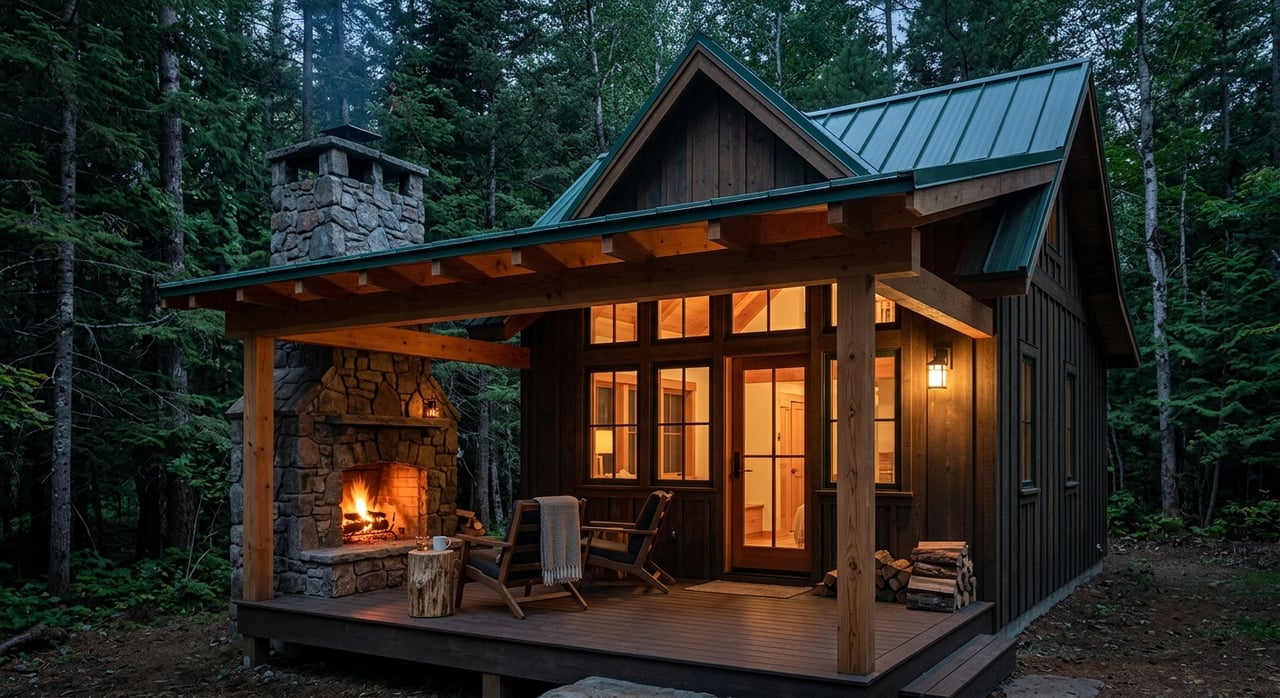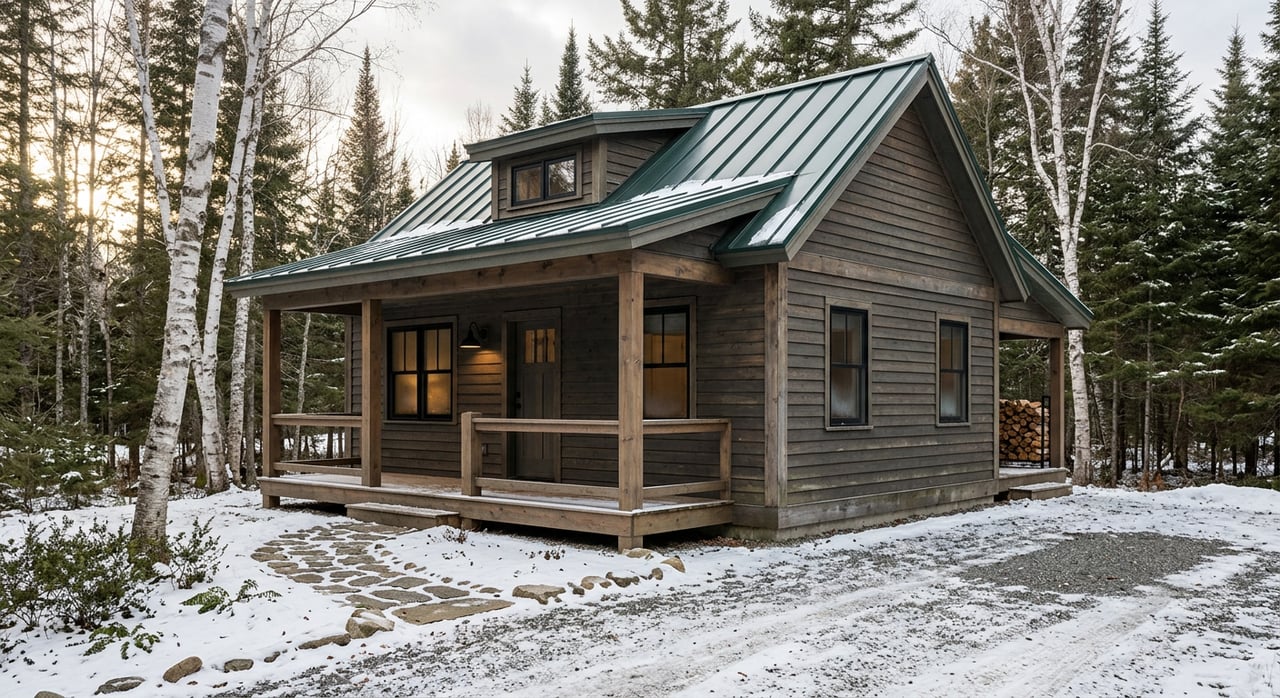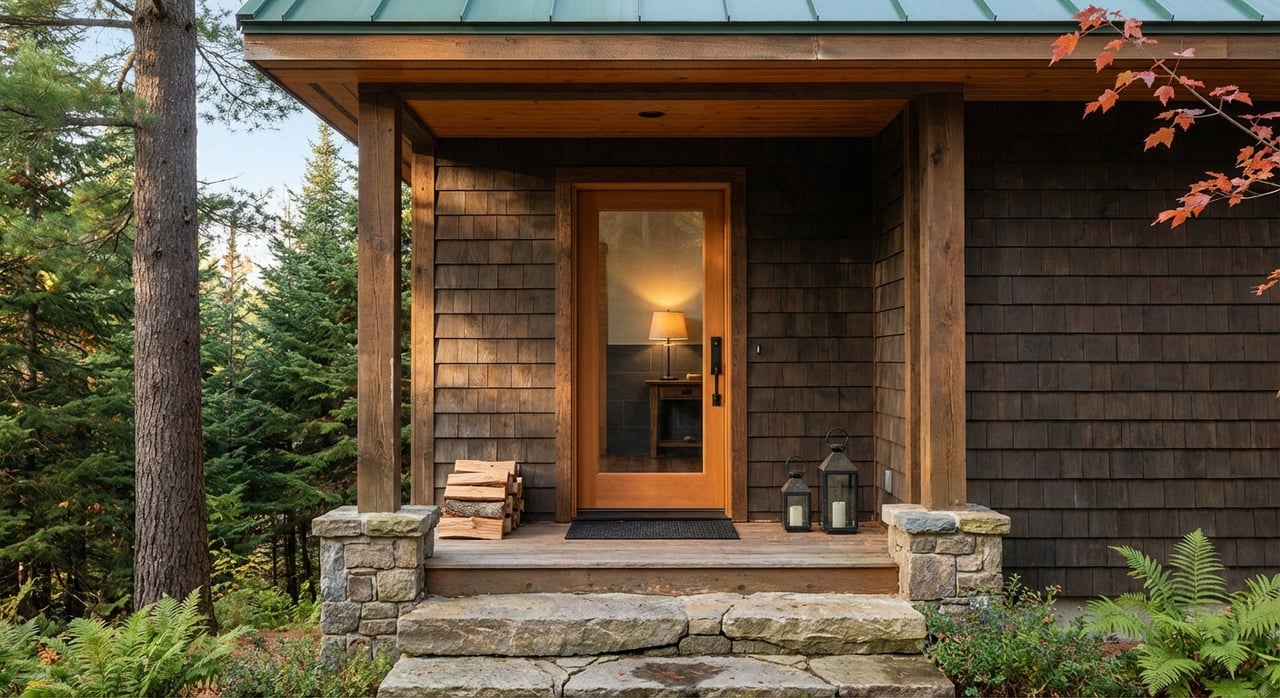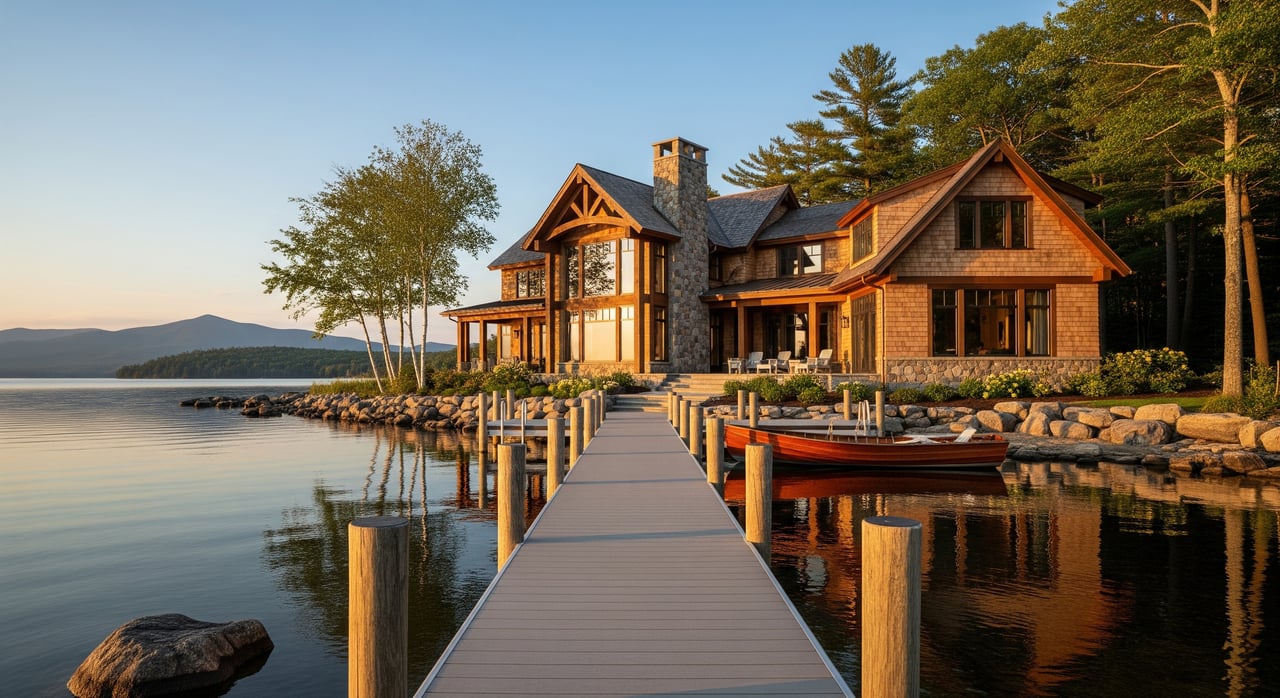
Picture a quiet morning on Mirror Lake, coffee in hand, and no Monday commute in sight. That vision is why you are exploring a second home in Lake Placid. Before you shop, it helps to understand how lenders see second homes and what it means for your down payment, rate, and approval. This guide walks you through loan options, what money you will need, and Lake Placid property factors that can impact financing, plus a checklist and smart questions to ask lenders. Let’s dive in.
Second-home loan options
Conventional conforming
Conventional loans backed by Fannie Mae and Freddie Mac allow second homes when you meet their credit and documentation standards and your loan amount sits within conforming limits. These loans often have lower minimum down payments than jumbo options. Lenders can still add their own requirements based on your profile and the property.
Jumbo loans
If you are shopping lakefront or a higher-price property, you may need a jumbo loan. Jumbo loans are not sold to the GSEs and follow lender-specific rules. Expect tighter credit standards and higher down payments than many conforming options.
Portfolio loans
Some local or regional banks keep loans on their own books. These portfolio products can fit unique Adirondack homes, such as properties with seasonal access, unusual construction, or large acreage. Terms vary by lender, and pricing depends on risk.
Government programs
FHA, VA, and USDA programs generally require the property to be a primary residence. They are not typical pathways for a Lake Placid second home. If your plan includes any occupancy changes after closing, speak with your lender about rules to avoid missteps.
Down payments, PMI, and reserves
Typical down payments
- Conforming second home: Many lenders accept around 10 percent down for a one-unit second home. Some will ask for 15 to 20 percent based on your credit, debt, and the property.
- Jumbo: Common requirements fall in the 15 to 25 percent range, and sometimes 20 to 30 percent. A few lenders may go lower for very strong borrowers, often with higher pricing and stricter reserves.
- Portfolio: Terms vary. Some lenders go to 10 percent for top-tier files, while others expect 20 percent or more.
PMI on second homes
If your conventional loan is above 80 percent loan-to-value, private mortgage insurance is required. PMI cost depends on your LTV, credit score, and the insurer. It is often higher for second homes because lenders view them as higher risk than primary residences.
Reserve expectations
Lenders like to see cash reserves measured in months of PITI, which is principal, interest, taxes, and insurance.
- Conforming second home: Often 2 to 6 months of PITI, with 6 months common in resort markets.
- Jumbo: Commonly 6 to 12 months of PITI. More may be required for high balances or unique properties.
- Portfolio: Flexible, but 6 months or more is common for second homes in seasonal markets. If you own multiple financed properties, plan for higher reserve requirements. Lenders count liquid assets in different ways, so ask how they treat brokerage and retirement accounts.
Rates and underwriting differences
Why second-home rates run higher
Second-home loans usually price higher than primary residence loans. Lenders see more risk when a borrower does not live there full time. The spread depends on your loan type, LTV, credit score, property type, and whether any rental use is planned.
What lenders scrutinize
Lenders often set higher credit score expectations for second homes. A stronger score helps pricing and approval. Debt-to-income limits still apply, and you may see tighter enforcement for jumbo or portfolio loans. You should expect full documentation of income and assets. Appraisals are standard, and unique properties often need a full appraisal rather than an automated option.
Product features to know
Interest-only and other specialty structures exist, especially from portfolio lenders. They carry higher risk and are less common for buyers who can qualify for traditional amortizing loans.
Lake Placid property factors that affect financing
Appraisals in a resort market
Waterfront and mountain homes around Lake Placid are niche. Appraisers may have limited comparable sales, which can create a conservative value. That affects your final loan-to-value and could change your rate or down payment. Lenders may ask for supporting comps or adjust based on seasonality.
Flood and waterfront
Homes near Mirror Lake, Lake Placid, and other area lakes may sit in FEMA-designated flood zones. If the property falls in a Special Flood Hazard Area, flood insurance is required. Even outside mapped zones, lenders can flag shoreline erosion, bulkhead condition, and dock access when assessing risk and insurance needs.
Septic, wells, and winter access
Many Adirondack homes rely on a private well and septic. Lenders often require inspections and system certifications before closing. Year-round access and snow removal plans matter, especially on private roads. Lenders may ask for proof that plowing is arranged and winter access is practical.
Insurance costs and availability
Carrying costs can be higher in remote or resort locations due to snow load, ice, and periods when the property sits vacant. You should get homeowner’s insurance estimates early and include any flood policy quotes if the lot is waterfront or near water. Title work may highlight riparian rights, easements for docks, or shared access that require careful review.
Short-term rental rules and HOAs
If you plan to use short-term rentals, your lender may reclassify the loan as an investment property or ask for permits and documentation. Town and HOA restrictions can limit rentals, docking, or improvements. These rules can also influence appraisal and marketability.
Property condition and conservation easements
Older camps and cottages may have deferred maintenance, outdated wiring, or limited insulation. Some items may need repair before final funding. Conservation easements are common in the Adirondacks and can limit development or certain uses. Your lender and title company will review these conditions during underwriting.
Smart pre-approval steps
What lenders will ask for
- Two years of tax returns and W-2s, or 1099s and business docs if self-employed.
- Bank and brokerage statements that show down payment and reserves.
- Credit reports and current mortgage statements for other properties.
- HOA documents if applicable, plus any rental permits if you plan to rent seasonally.
- Insurance quotes for homeowner’s and, if needed, flood coverage.
- Property reports such as septic and well inspections, survey if available, and any environmental reports.
Build a stronger file
- Get a written pre-approval from a lender who knows second homes and Adirondack properties.
- Ask about appraisal expectations and whether they are comfortable with seasonal comps.
- Price out home and flood insurance ahead of time to avoid surprises and to model your total monthly cost.
- Confirm reserve requirements in writing, including how the lender counts retirement assets.
- If you hope to use rental income to qualify, verify what documentation is acceptable and whether short-term rental income is allowed.
Quick checklist: Second-home financing
- Identify your primary use: personal use only, short-term rental, or mixed use.
- Choose lenders experienced with Adirondack and seasonal properties and jumbos.
- Confirm your down payment source and gather bank or brokerage statements.
- Prepare two years of tax returns and W-2s or self-employment records.
- Collect statements that show 3 to 12 months of PITI in reserves, depending on loan type.
- Order septic and well inspections as required by your contract or lender.
- Check flood zone status and get flood insurance quotes if the lot is waterfront or near water.
- Ask for an appraisal that cites relevant resort-market comps.
- Verify year-round road access and snow removal arrangements.
- Get homeowner’s and flood insurance estimates, plus winter vacancy requirements.
- Estimate property taxes, HOA dues, utilities, and winterization costs.
- Get a pre-approval letter that states reserve and pricing expectations for a second-home product.
- Confirm any rental plans with the lender and how that affects terms and pricing.
- Expect extra lender conditions for docks, easements, and conservation restrictions.
Questions to ask your lender
- Do you offer a dedicated second-home program, and what are the minimum down payment and credit score for a one-unit second home?
- How many months of PITI will you require in reserves for a Lake Placid second home, and how do you count retirement assets?
- How do you price second-home loans versus primary residences, and what rate spread should I expect for conforming versus jumbo?
- If I plan seasonal short-term rentals, how will that change the product type, down payment, and rate, and can you use rental income to qualify me?
- What appraisal type do you require, and are you comfortable with appraisals that use seasonal comps or thin local data?
- Do you have experience with waterfront properties and shoreline rights in the Adirondacks, and what title or underwriting issues should I expect?
- What are your septic and well requirements, and which inspection reports are acceptable?
- If the property is in a FEMA flood zone, what flood insurance limits do you require, and do you accept private flood policies?
- Do you offer portfolio or jumbo products for unique properties, and what are the minimum down payment, credit score, and reserves?
- For out-of-state buyers, do you require additional documents or have any tax-related considerations in underwriting?
- What closing timeline should I plan for in this market, including appraisal and title work?
- Are there any restrictions related to conservation easements or Adirondack Park policies that could affect approval?
Work with a local guide
You want your second home to feel effortless. That starts with a plan that matches your goals to the right loan, a clear view of total carrying costs, and a property that will appraise and insure cleanly. With deep local knowledge and construction-informed guidance, you can avoid costly surprises and close with confidence.
If you are ready to explore Lake Placid second homes, connect with Justin McGiver for a tailored strategy and introductions to lenders who know Adirondack properties.
FAQs
Can I use FHA or VA for a Lake Placid second home?
- Generally no. FHA, VA, and USDA loans are usually for primary residences, so most Lake Placid second-home buyers use conventional, jumbo, or portfolio loans.
How much down payment should I plan for on a second home?
- Many conforming second-home loans accept around 10 percent down, while jumbos commonly require 15 to 25 percent or more depending on your profile and the property.
Are second-home mortgage rates higher than primary residence rates?
- Yes. Lenders price second-home loans higher due to added risk. The spread depends on loan program, LTV, credit score, property type, and any rental plans.
How many months of reserves will a lender want?
- Conforming second-home loans often require 2 to 6 months of PITI, while jumbo and portfolio loans commonly ask for 6 to 12 months, with higher amounts for multiple properties.
What local issues can delay or block financing in Lake Placid?
- Common hurdles include limited appraisal comps, septic or well failures, flood zone and insurability concerns, winter access questions, and title items like easements or conservation limits.