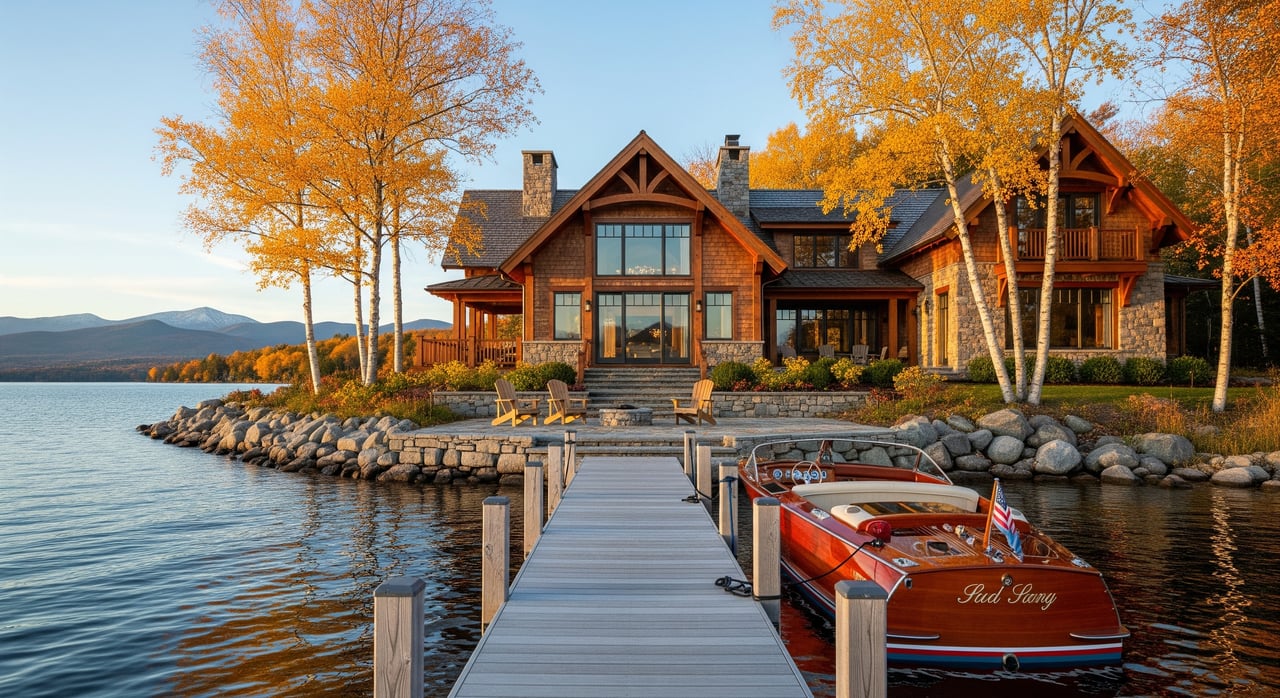
Is your timing working with Lake Placid’s seasons or against them? In a resort market shaped by Whiteface ski days, summer on the lakes, and quiet shoulder months, the calendar can add or subtract real money from your outcome. You want clear, local guidance that respects how buyers actually shop here and how weather affects every step. In this guide, you’ll learn how demand, pricing, and logistics shift by season, plus practical checklists to plan your move with confidence. Let’s dive in.
Why seasonality matters here
Lake Placid is not a typical suburban market. You have two high-demand periods driven by lifestyle: winter for skiing and holidays, and summer for lake life and major events. Spring and fall are quieter, which can favor negotiation but often come with limited inventory.
Inventory is also modest in absolute numbers. One or two standout sales can nudge medians, so segmenting by property type matters. A lakefront camp and a village condo may play by different seasonal rules.
Lake Placid seasonality at a glance
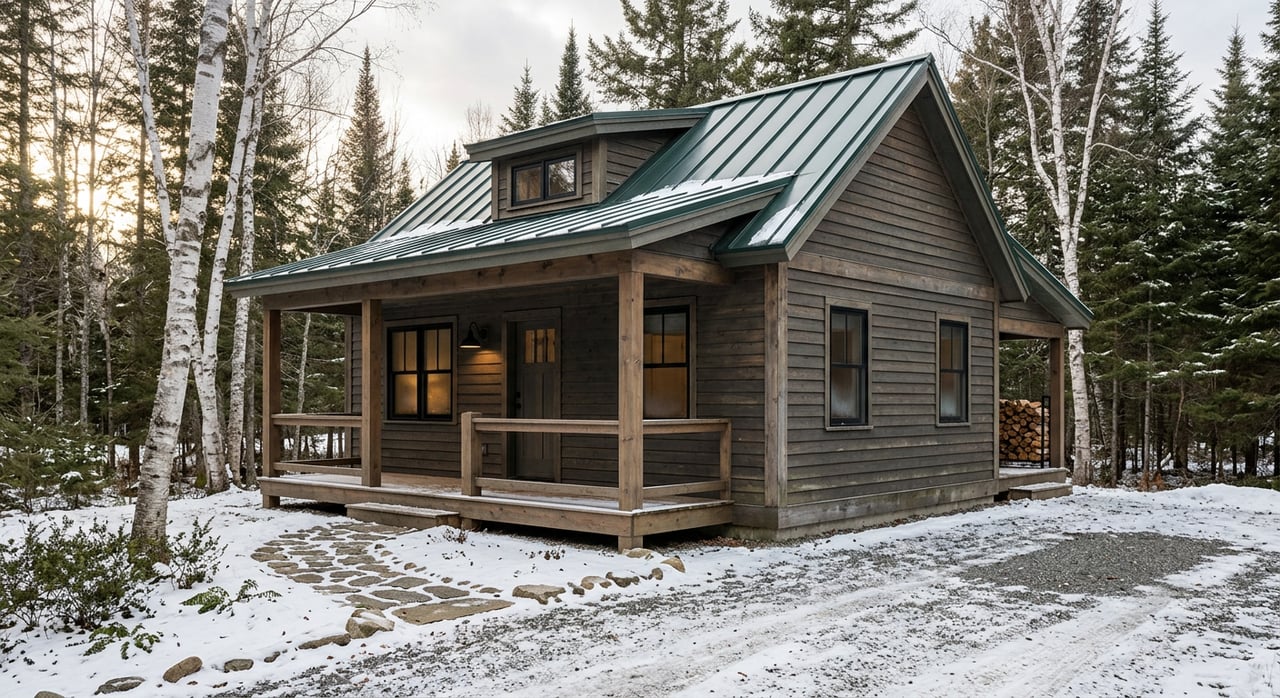
Winter ski season (Nov–Mar)
Key drivers: Whiteface Mountain operations, winter holidays, and event weekends attract skiers, second-home buyers, and investors eyeing winter rental income.
Market effects:
- Buyer activity rises for ski-area condos and turnkey vacation homes.
- Inventory can bump in early winter, though patterns vary year to year.
- Days on market often shorten for properties close to amenities and slopes; outlying single-family homes may sit longer in heavy snow periods.
- Pricing tends to favor ski-adjacent and move-in-ready properties.
Practical steps:
- Sellers: Keep driveways and walkways cleared, show strong heating performance, and winterize plumbing. Good access and cozy staging matter.
- Buyers: Build in inspection flexibility. Frozen ground can complicate septic testing and landscaping assessments, so structure contingencies and timing carefully.
- Financing: Some lenders ask for added documentation on seasonal properties. Work with local lenders familiar with North Country homes.
Summer lake months (Jun–Aug)
Key drivers: Peak lake season, village walkability, and marquee events like Ironman bring families, lifestyle buyers, and rental-focused investors.
Market effects:
- High buyer activity for lakefront, waterfront cottages, and walkable village homes.
- Inventory may rise to meet demand, but true lakefront remains scarce.
- Days on market can be short for well-located properties; premium pricing is common for turnkey vacation rentals and waterfront.
Practical steps:
- Sellers: Capture summer visuals. Photos and video shine when the water, landscaping, and outdoor spaces are at their best.
- Buyers: Expect competition on the lake and in the village. If you plan to rent, verify realistic summer occupancy and nightly rate assumptions.
- Lifestyle fit: Summer tourism is vibrant. If you prefer quieter surroundings, weigh neighborhood activity patterns before you commit.
Shoulder seasons (Apr–May, Sep–Oct)
Key drivers: Visitor counts dip. Spring can be muddy and transitional, while fall foliage brings tourists but not always peak buyers.
Market effects:
- Buyer activity typically eases, and inventory often pulls back.
- Competition is lighter, which can create negotiation room on properties that need updates or off-season work.
- Days on market may lengthen, especially for non-unique homes.
Practical steps:
- Sellers: If you aim for a summer closing, consider a spring list date. For ski-area homes, late fall can work before winter weather intensifies.
- Buyers: Spring inspections can reveal drainage and foundation issues that hide in winter. Use that advantage to evaluate long-term costs.
Timing your strategy
If you are selling
- Lakefront or village homes: List to hit late spring and early summer when curb appeal and buyer traffic peak.
- Ski-area or turnkey vacation properties: Launch before or early in ski season to capture holiday and winter demand.
- If you want to reduce carrying costs: A late summer or early fall list can avoid another winter of maintenance while still reaching motivated buyers.
- Marketing matters: Season-matched photography and video (snow on the pines, glassy water on a bluebird day) can lift interest and price.
If you are buying
- To avoid bidding pressure: Shop in the shoulder seasons when competition eases. Inventory may be thin, so cast a wider net and be patient.
- To capture immediate rental income: Aim to close just before the income season that fits your property type (summer for lakefront, winter for ski condos).
- Inspection and access: Plan for seasonal constraints. In winter, allow extra lead time for septic and well tests; in spring, evaluate drainage and grading.
- Be offer-ready: Pre-approval from a lender familiar with Adirondack properties and quick scheduling with local inspectors can make your offer stand out.
Investment and rental dynamics
Short-term rental potential amplifies seasonality. Summer weeks and winter holidays often carry outsized revenue, while shoulder months are slower. Before you underwrite a purchase:
- Confirm local short-term rental rules with the Town of North Elba and Village of Lake Placid, and review any county or Adirondack Park considerations that may apply.
- Review month-by-month occupancy and average daily rate trends to set realistic revenue expectations.
- Factor in season-specific expenses like snow removal, heating, dock or shoreline maintenance, and guest turnover logistics.
Seasonal checklists
Seller checklist by season
- Winter readiness: Clear snow and ice, service heating systems, show functional winterization, and light spaces warmly for afternoon showings.
- Summer showcase: Fresh landscaping, clean shoreline or dock areas, stage decks and patios, and schedule golden-hour media for maximum appeal.
- All-season prep: Pre-inspection for major systems, fix easy cosmetic issues, declutter storage spaces, and gather utility and maintenance records.
Buyer checklist by season
- Lending and insurance: Work with lenders and insurers who understand seasonal and waterfront properties.
- Inspection focus: Winter (plumbing and heat performance, roof load), Spring (drainage, grading, foundation), Summer (shoreline, dock, septic), Fall (roof, gutters, heating start-up).
- Access planning: For remote or hilly sites, confirm snowplow and private road arrangements.
- Rental underwriting: Align closing with peak season if you need near-term income, and confirm local registration requirements.
What to watch in the data
Ask your agent for month-by-month trends over the last two to three years. Focus on:
- New listings, pending sales, and closed sales by month.
- Median price and days on market by month.
- Months supply of inventory and list-to-sale ratio.
- Segments: lakefront vs. non-lakefront, village vs. outlying areas, single-family vs. condo.
Plotting these metrics helps you see repeating seasonal patterns versus one-off anomalies. Pair median price with days on market to spot where seasonal premiums also sell faster.
Ready to plan your move?
Lake Placid rewards buyers and sellers who work with the seasons, not against them. Whether you want top-dollar exposure for a lakefront camp or a smart entry into the market during a quiet month, a tailored plan will help you hit the right window, set the right terms, and navigate weather-driven logistics with fewer surprises. If you’d like a season-by-season strategy, premium visual marketing, or construction-savvy advice on inspections and improvements, connect with Justin Mcgiver to get started.
FAQs
What is the best time to sell in Lake Placid?
- For lakefront and village homes, late spring into summer typically offers the strongest buyer traffic; for ski-area and turnkey vacation properties, list before or early in ski season to capture holiday and winter demand.
When is the best time to buy in Lake Placid?
- If you want less competition and potential negotiation room, target the shoulder seasons; if you want immediate rental income, aim to close just before the peak season that fits the property.
Do prices change by season in Lake Placid?
- Seasonal premiums are common for properties that match the moment (lakefront in summer, ski-adjacent in winter), while overall medians can move less due to small sample sizes.
Will weather affect inspections and closing timelines?
- Yes; frozen ground can limit septic and site evaluations in winter, and snow can slow access, so plan contingencies and work with local inspectors and lenders familiar with Adirondack conditions.
How do short-term rentals shape Lake Placid pricing?
- Strong summer and holiday revenue potential attracts investors and can lift prices for turnkey properties; always verify local rules and realistic occupancy and rate assumptions before you buy.